
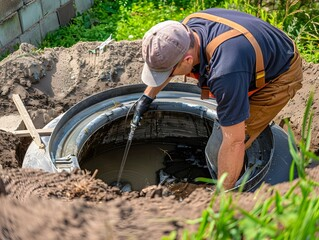
Keeping your septic system healthy helps prevent clogs and backups. Foul odors, slow draining, or water pooling in the yard are signs that it’s time to have your tank pumped.
Avoid flushing non-biodegradable waste, use septic-safe toilet paper, and limit water usage. Visit Septic Tank Cleaning Brighton for more information.
Regular Inspections
A septic tank is a large, underground container that collects and partially treats wastewater from the home’s plumbing. It separates into three layers: solid waste (which settles at the bottom), oils and grease that float to the top, and liquid effluent in the middle. Over time, a buildup of sludge and scum can overpower the system, leading to sewage backups, foul odors, and system failure. Regular septic tank inspections and pumping are essential to prevent this.
A good septic inspector can spot a number of common issues and correct them before they become major problems that lead to costly repair or replacement. For example, when a septic tank is overfull, it’s important to get it pumped immediately. Doing so reduces the risk of it overflowing into the drain field and damaging the absorption zone.
In addition to checking the septic tank for signs of overflow, an experienced septic professional can also assess the condition of the drain field and other system components such as baffles and inlets. They can make data-driven predictions about the septic system’s remaining lifespan and recommend optimal schedules for pumping, cleaning effluent filters, and reducing water consumption.
A professional can also assess the landscaping and soil conditions around the septic system to prevent environmental damage. For instance, planting trees and other deep-rooted plants too close to the septic system can encroach on or damage the drain field and the tank itself. Soil compaction, which restricts the septic system’s ability to absorb water, can also cause major issues.
In general, homeowners can reduce their septic system’s maintenance needs by adopting a no-nonsense approach to the disposal of water and waste. Avoid flushing any materials other than toilet paper, human waste, and food scraps. Use non-toxic cleaners and paints instead of corrosive chemicals, and plant grass and shallow-rooted shrubs over the drain field area to keep root systems from encroaching on the perforated pipes that lie beneath the surface. And don’t cover the drain field with impermeable materials such as driveways or parking areas, which can clog the septic tank and drain lines.
Bacteria Additives
Often overlooked, the health of your septic system depends on billions of bacteria diligently breaking down waste. These microscopic heroes are vital for septic tank and drainfield function, and keeping them in good health is one of the best ways to avoid costly problems and protect your home environment.
Bacteria break down solid waste, converting it into sludge and scum that sink to the bottom of the tank and liquid that floats to the top. They digest waste, reducing its volume and preventing blockages and environmental contamination. However, bacteria need a balanced environment to thrive. If too much of the good bacteria are killed by household cleaners or if a tank is full, it can overflow into the drainfield and cause wastewater to back up into your house.
Thankfully, there are some simple steps you can take to maintain a healthy bacterial balance in your septic tank and drainfield. Limit the use of household cleaners that kill beneficial microorganisms, and choose natural options like baking soda and vinegar instead. Reduce water usage by spreading out water-heavy activities like laundry and dishwashing throughout the day. Be selective about what you flush – only human waste and septic-safe toilet paper are safe to send down your drains. And, of course, regularly pump your septic tank to prevent overflowing and clogs.
Septic systems have three parts – the septic tank, pipes, and surrounding soil that process and filter waste. Each requires regular maintenance to work well. Contact a plumber, like Benjamin Franklin Plumbing, for professional help. Their team of experienced professionals provides timely assistance, backed by a satisfaction guarantee and commitment to customer service.
In addition to their expert septic services, they offer special discounts for veterans and first responders. They’re a family-owned business and have been serving the area since 1989. Their licensed and insured plumbers provide reliable cleaning, repair, and installation services. Call today for a free estimate. They also offer emergency plumbing services to quickly resolve any urgent concerns. They’ll never charge overtime, and they’ll give you a time and price quote before beginning any repairs.
Natural Solutions
Unlike chemical cleaners, natural products like vinegar and baking soda help support the good bacteria that break down waste. These products also don’t leave behind harmful residues that could contaminate the environment or leach into groundwater. The switch to non-toxic cleaners can save homeowners hundreds or thousands in septic tank repairs and pumping costs over the life of the system.
Using aeration to keep septic tanks functioning properly minimizes the need for frequent cleaning and pumping. The process works by introducing air into the tank, allowing healthy bacteria to more effectively break down waste and prevent clogs and other issues. Aeration systems come in a variety of forms, including pumps and air chambers, so homeowners can choose the option that works best for their homes.
Septic systems are a complex series of pipes, tanks, and surrounding soil that separate, filter, and process wastewater. Regular inspections ensure all parts of the system are operating properly. When a septic tank is full, it can create strong odors and slow drainage, so paying attention to warning signs is essential.
Regular inspections can highlight early problems, allowing homeowners to take steps to avoid costly repairs. For instance, a septic tank that is not pumped on a regular basis can fill up, leading to overflow and wastewater pooling around the house. Similarly, untreated septic waste can leach into the groundwater and pose a health hazard for homeowners.
Harsh chemicals can disrupt the delicate balance of septic tanks, harming bacteria that breaks down waste and affecting treatment efficiency. These chemicals can also damage the gravel layers that filter the wastewater and reduce nutrient runoff into the environment. Switching to mild or septic-safe cleaners can protect the bacterial health of the system, reduce odors and eliminate toxic residues.
Keeping a septic tank and drain fields in top condition benefits homeowners, communities, and the environment. By making a few simple changes, residents can extend the life of their septic systems, prevent expensive repair bills, and reduce environmental impact. To learn more about eco-friendly septic tank maintenance, contact Benjamin Franklin Plumbing for reliable assistance backed by a satisfaction guarantee.
Pumping
Regular, comprehensive septic tank pumping removes sludge and scum layers from your tank to keep it working efficiently. Your septic system is comprised of pipes that connect your home to the septic tank and drain field, the tank itself, and surrounding soil that processes wastewater through natural filtration and return to groundwater.
The tank itself consists of a series of compartments that separate waste into three distinct layers: sludge, liquid, and scum. The bacteria in your septic system break down solids, while the liquid flows through the pipe into the drain field for further treatment. When a tank gets too full, these solids can build up and block your drain lines. Septic tank cleaning and inspection are essential for maintaining the efficiency of your septic system.
A full septic tank will trigger foul odors and slow drainage, so pay attention to these red flags. You may also notice water pooling around your septic system, which could indicate a leak or blockage in the septic tank, pipes, or drainfield.
In addition to regular septic tank cleaning and inspection, be sure that your family understands what can and cannot go down the drain. It’s important to avoid flushing non-degradable items such as wipes (even “flushable” ones), coffee grounds, grease, diapers, feminine hygiene products, cigarette butts, paper towels, and leftover medications. These wastes can clog your pipes and kill the beneficial bacteria in your septic tank.
The septic tank, pipes, and drainfield work together to efficiently treat wastewater, but it’s up to homeowners to do their part. Follow the above septic tank maintenance tips, and schedule regular inspections with a septic service professional like Benjamin Franklin Plumbing. Taking a proactive approach to septic tank care ensures that your home’s septic system will last for years to come. Contact us to request an appointment or find out more about our septic tank services. We offer competitive pricing and industry-leading warranties, backed by our 100% satisfaction guarantee. We look forward to serving you!