
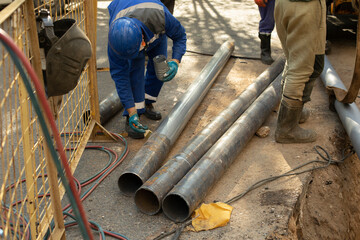
Sewer Line Replacement is one of the most significant plumbing projects a homeowner or property owner can face. While sewer lines are designed to last for decades, age, damage, and environmental factors can eventually cause them to fail. When this happens, replacement is often the safest and most effective long-term solution. Understanding when sewer line replacement is necessary, how the process works, and what to expect can help property owners make informed decisions and avoid costly surprises.
This article explores sewer line replacement in detail, from causes of failure to replacement methods, costs, and long-term benefits.
Understanding the Role of a Sewer Line
The sewer line is the underground pipe that carries wastewater away from a home or building and into the municipal sewer system or septic system. Every drain in the property connects to this main line, including toilets, sinks, showers, and floor drains.
Because the sewer line is buried and out of sight, problems often go unnoticed until serious symptoms appear. When a sewer line fails, it can disrupt daily life, create health hazards, and cause significant property damage.
Common Causes of Sewer Line Damage
Sewer lines can fail for a variety of reasons. One of the most common causes is aging materials. Older homes may have sewer lines made from clay, cast iron, or Orangeburg pipe, all of which deteriorate over time.
Tree root intrusion is another frequent issue. Roots naturally seek moisture and can enter sewer lines through small cracks or joints, eventually causing blockages or pipe collapse. Ground shifting, soil erosion, and heavy construction activity can also damage sewer lines. In some cases, repeated clogs and improper usage accelerate wear and lead to failure.
Warning Signs That Sewer Line Replacement May Be Needed
Sewer line problems often present warning signs before complete failure. Frequent drain clogs throughout the home can indicate a main line issue rather than isolated fixture problems. Sewage backups, especially in lower-level drains, are a serious red flag.
Foul odors coming from drains or the yard may suggest leaks in the sewer line. Unexplained wet spots, sinkholes, or unusually lush grass over the sewer line path can indicate underground leakage. When these symptoms persist despite repairs, replacement may be necessary.
Sewer Line Repair vs Sewer Line Replacement
Not all sewer line issues require full replacement. Minor cracks or localized damage can sometimes be repaired using spot repairs or trenchless methods. However, when damage is extensive, recurring, or caused by deteriorated materials, replacement is often the better long-term solution.
Replacing a sewer line eliminates ongoing repair costs and reduces the risk of future failures. A professional plumber can assess the condition of the pipe and recommend whether repair or replacement is the most cost-effective option.
Sewer Line Inspection and Diagnosis
The sewer line replacement process typically begins with a professional inspection. Modern plumbers use video camera inspections to examine the inside of the pipe. This technology allows them to identify cracks, blockages, root intrusion, corrosion, and collapsed sections without unnecessary digging.
Accurate diagnosis ensures that replacement is truly needed and helps determine the best replacement method. It also allows plumbers to provide detailed explanations and realistic cost estimates.
Traditional Sewer Line Replacement Process
Traditional sewer line replacement involves excavating the ground to access and remove the old pipe. This method is often required when pipes have collapsed, shifted, or are severely damaged.
The process begins with marking utility lines and excavating along the path of the sewer line. Once exposed, the damaged pipe is removed and replaced with new piping, typically made of PVC or HDPE. After installation, the system is tested before the trench is backfilled and the surface restored.
While effective, traditional replacement can be disruptive to landscaping, driveways, and sidewalks.
Trenchless Sewer Line Replacement Options
Advancements in plumbing technology have made trenchless sewer line replacement a popular alternative. Trenchless methods minimize excavation and reduce property damage.
Pipe bursting is a common trenchless technique where a new pipe is pulled through the old one, breaking the existing pipe outward as it goes. Another method, pipe lining, involves inserting a resin-coated liner into the damaged pipe, which hardens to form a new pipe within the old one.
Trenchless replacement is not suitable for every situation, but when applicable, it offers faster completion and less disruption.
Choosing the Right Replacement Method
The best sewer line replacement method depends on several factors, including the extent of damage, pipe material, soil conditions, and property layout. Severe collapses or misaligned pipes may require traditional excavation, while intact but deteriorating pipes may be ideal for trenchless solutions.
A professional plumber evaluates these factors and recommends the most effective approach. The goal is to restore full functionality while minimizing long-term risk.
Materials Used in Sewer Line Replacement
Modern sewer lines are typically replaced with durable materials designed for long-term performance. PVC is commonly used due to its corrosion resistance, smooth interior surface, and affordability. HDPE is another option known for flexibility and strength, particularly in trenchless installations.
These materials are resistant to root intrusion and chemical corrosion, making them far more reliable than older pipe types.
How Long Sewer Line Replacement Takes
The timeline for sewer line replacement varies depending on the method used and site conditions. Traditional replacements may take several days due to excavation and restoration requirements. Trenchless replacements are often completed in one to two days.
Permits, inspections, and weather conditions can affect the schedule. A professional plumbing company provides a clear timeline before work begins.
Cost Factors in Sewer Line Replacement
Sewer line replacement costs vary widely based on pipe length, depth, replacement method, and accessibility. Additional factors include soil type, landscaping restoration, and local permit fees.
While sewer line replacement can be a significant investment, delaying replacement often leads to higher costs due to repeated repairs, water damage, and potential health risks.
Health and Environmental Considerations
A damaged sewer line poses serious health risks. Leaking sewage can contaminate soil and groundwater, expose residents to harmful bacteria, and create unsanitary living conditions.
Proper sewer line replacement protects both occupants and the surrounding environment. Ensuring wastewater is safely transported away from the property is a critical public health responsibility.
Why Professional Sewer Line Replacement Matters
Sewer line replacement is not a DIY project. It requires specialized equipment, technical expertise, and compliance with local plumbing codes. Professional plumbers ensure proper installation, secure connections, and thorough testing.
Improper installation can lead to future failures, code violations, and costly repairs. Hiring an experienced professional ensures the replacement is done correctly and safely.
Preventing Future Sewer Line Problems
After replacement, proper care helps extend the lifespan of the new sewer line. Avoid flushing non-degradable items, grease, and excessive paper products. Regular inspections can identify early signs of issues before they escalate.
Tree placement and landscaping should be planned carefully to prevent root intrusion near the sewer line. These preventative measures help protect the investment for decades.
Sewer Line Replacement and Property Value
A newly replaced sewer line can significantly increase property value and buyer confidence. Prospective buyers often view sewer line condition as a major factor during inspections.
Replacing an old or damaged sewer line eliminates a major liability and provides peace of mind for future owners.
What to Expect During a Sewer Line Replacement Project
Homeowners should expect some level of disruption during sewer line replacement, particularly with traditional methods. Clear communication from the plumbing company helps set expectations regarding access, timelines, and restoration.
Professional teams work efficiently to minimize inconvenience and restore normal operations as quickly as possible.
Final Thoughts on Sewer Line Replacement
Sewer line replacement is a major but sometimes necessary investment in the safety and functionality of a property. Understanding the causes of sewer line failure, recognizing warning signs, and knowing replacement options empower homeowners to act before problems worsen.
With professional assessment and modern replacement methods, sewer line replacement can restore reliability, protect health, and provide long-term peace of mind. When addressed proactively, it becomes a solution rather than a crisis.