
When septic tank problems arise, immediate action is critical to minimizing damage and avoiding costly repair costs. Taking the time to perform preventative maintenance can also help reduce emergency issues down the road.
Listen for slow draining, gurgling noises in the plumbing, and foul odors near the septic tank and drain field. Mindful flushing can also help by limiting the amount of waste that enters the system and avoiding non-biodegradable items like wipes (even “flushable” ones), paper towels, and feminine hygiene products. Go to your local Septic Tank Cleaning Brighton experts to learn more.
1. Check the Septic Tank’s Levels
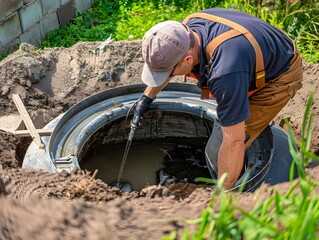
The first step in septic system emergency situations is to identify the problem and determine how serious it is. This is done through a visual inspection and pumping. First, locate the septic tank, which is usually marked by a manhole cover in the yard. Remove the lid and check the levels of sludge and scum. Look for sludge that has reached the bottom of the inlet and outlet baffle walls, or floating scum above the water level.
If the septic tank is full, it’s time for a professional to come out and perform an emergency septic tank pumping service. This is an urgent matter because sewage will begin to back up into the house, which can cause serious damage and health issues for family members.
In addition, a septic tank that’s reaching capacity can lead to a clogged drain field, which will also require emergency septic tank services. If a septic system’s drain field becomes clogged, the waste that was pumped into the system will continue to flow directly into groundwater and into the environment.
The good news is that septic systems can often be prevented from failing or overflowing through regular cleaning and routine maintenance. The key is to recognize the warning signs and act quickly to protect your home or business. Few things are more alarming—or disgusting—than a sewage backup into your home or business. The team at Biros Septic can help you detect problems early and get the emergency septic tank services you need to feel safe and secure. Call today for more information or to schedule a consultation. We proudly serve homes and businesses throughout the area, including Cartersville, Acworth, Marietta, and beyond.
2. Call for Professional Help
Septic tanks are self-contained sewage maintenance systems, used in homes that aren’t connected to the city sewer system. Every time you use a toilet or sink, waste travels to your home’s septic tank, where it begins to separate into different layers. Liquid waste disperses into the septic tank’s underground drain filtration lines, while solid waste sinks to the bottom of the tank itself and forms a layer known as sludge. When this layer gets too thick, it can overflow into the household drains and cause sewage backups. Typically, your septic tank needs to be pumped out every 3 to 5 years.
When the septic tank is fully pumped, a middle liquid called effluent will leave the tank and flow into your home’s drain field, where it will be filtered and purified by the soil before it seeps back into groundwater. However, it’s important to know that a septic tank should never be used as a garbage dump, as this can lead to clogs and other problems. You should also avoid putting non-biodegradable materials down the drain, including cooking oil and “flushable” wipes.
If you are not sure if your septic tank is full or in need of a professional pumping, contact a local Roto-Rooter plumber for help. They will be able to inspect your tank and tell you whether it needs to be pumped, inspected, or repaired.
3. Disinfect Any Affected Areas
Septic systems are a great choice for homes in more rural areas that aren’t connected to the city sewer system. A septic tank and the underground leach field treat wastewater by directing it away from the house, where it can be filtered by soil before it flows into groundwater or other water sources. A septic tank is also more cost-effective than connecting to the public sewer system.
Septic tanks contain bacteria that organically break down solid waste, forming a sludge layer that sinks to the bottom of the tank while liquid effluent rises to the top. The septic tank must be pumped regularly to keep the sludge level at a minimum and ensure that the liquid waste can drain freely into the leach field.
A clogged septic system can lead to wastewater backups inside the home, which cause flooding, damage, and foul odors. Signs of a clogged septic tank or drain field include slow draining, odd odors, standing water on the property, and wet spots in the yard.
While it is necessary to have your septic tank pumped, it is also important to take steps to maintain it between pumpings. Bleach, toilet paper, and other chemical products can kill the bacteria that are responsible for breaking down solid waste, so it’s a good idea to avoid them as much as possible.
In addition, homeowners should be careful not to drive or park vehicles or equipment on the septic tank or drain field area. These activities can cause soil compaction and cause the septic tank to leak. If you’re unsure what to do, consult your septic service provider for advice. They may recommend adding bacterial additives to the septic tank after it’s pumped to help restore the microbial balance and speed up the breakdown of organic waste.
4. Contact Your Insurance Company
Septic systems quietly handle wastewater for homes that aren’t connected to city sewer lines, sanitizing waste while protecting local waterways and groundwater. When they’re properly maintained, they keep your family safe and protect your property value. But when they aren’t, costly issues arise. Understanding how your insurance policy views these systems can help you avoid unexpected expenses.
Septic tanks are large underground containers where solids settle and bacteria break them down. They separate, with lighter particles floating to the top as scum and heavier ones sinking to the bottom as sludge. Septic tank pumping services remove these layers and return your system to optimal function. Regular inspections, cleanings, and maintenance ensure that your septic system is working as designed.
When a homeowner neglects routine care, their septic system suffers. Over time, sludge and scum build up in the tank, leaving less room for wastewater storage. Eventually, these materials can escape into the drain field and clog pipes or cause backups in the home. These problems increase costs and put your family at risk.
To reduce the need for septic tank pumping, homeowners should follow a schedule that’s appropriate for their household use. They should also make septic-friendly choices in cleaners, fixtures, and daily habits. They should plant trees and shrubs carefully around the septic tank, and they should avoid flushing cigarette butts, wipes, diapers, grease, and other items that damage drains and septic tanks. Keeping detailed records of all inspections, cleanings, and pumping services can prove invaluable in the event of an insurance claim. It’s important to consult with your insurance agent to learn more about the coverage you have and its limits or exclusions.
5. Prepare Your Home
It’s never convenient when a septic system malfunctions, but taking the right steps to minimize damage can help save money and time in the long run. Identifying warning signs such as slow drains, gurgling noises in plumbing, and foul odors can alert homeowners to the need for emergency septic tank cleaning services. Similarly, reducing water usage during a septic tank crisis can stabilize systems and prevent backups from worsening until professionals arrive.
While homeowners may feel tempted to try DIY methods to address the issue, it’s important not to do so. Pouring additives into a failing system can disrupt the natural bacteria balance that breaks down wastewater and could lead to longer-term problems. Furthermore, DIY septic system repairs can also be dangerous and even deadly.
Homeowners should prepare their homes for a septic tank cleaning service by clearing the path to the septic tank and the surrounding area where technicians will work. This step enables them to get the job done faster and more efficiently by giving technicians easy access. To do this, move any lawn furniture or debris away from the area and remove any parked cars that could block the way.
Lastly, homeowners should disinfect any areas that may have come into contact with sewage. This includes septic tank filters, septic tank baffles, and tees. While the disinfection process takes a while, it can significantly reduce the risk of contamination and help homeowners save on cleanup costs in the future.
To find a trustworthy septic tank company to handle septic system emergencies, homeowners should read online reviews and engage in discussion forums. Reading feedback on a company’s responsiveness, efficiency, and fair pricing can help ensure that they provide the best possible service when disaster strikes.