
Water has a way of turning a calm household into a crisis zone in a matter of minutes. A burst pipe, overflowing appliance, severe storm, or hidden plumbing leak can quickly saturate floors, walls, and personal belongings. When that happens, immediate action is not just helpful—it is critical. Emergency water damage restoration is about more than removing visible water; it is a systematic process designed to protect your home from structural deterioration, mold growth, and long-term financial loss. Understanding the right steps to take during and after flooding or leaks can significantly reduce damage and restore your home safely and efficiently.
The first reality homeowners must accept is that water damage spreads rapidly. Within minutes, water seeps into porous materials such as drywall, insulation, and wood flooring. Within hours, it can cause swelling, warping, and staining. Within days, mold can begin to develop in damp, poorly ventilated areas. This timeline underscores the urgency of emergency water damage restoration services. The faster you act, the greater your chances of preventing extensive repairs and preserving your home’s value. Check our Website for professional advice.
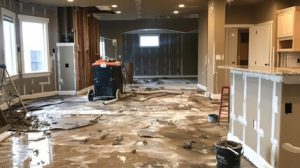
The initial step in any emergency water damage situation is ensuring safety. Before addressing cleanup, confirm that electrical systems are not compromised. Water and electricity create a dangerous combination, so shutting off power in affected areas is often necessary. If flooding is severe, it may also be important to turn off the main water supply to prevent further intrusion. Personal safety should always take priority over property protection. Once the area is safe, the restoration process can begin in earnest.
Stopping the source of water is the foundation of effective water damage restoration. Whether the cause is a broken pipe, a leaking roof, or an appliance malfunction, identifying and repairing the source prevents continued exposure. Temporary measures such as tarping a roof or sealing a pipe can help minimize additional damage while permanent repairs are arranged. Without addressing the source, cleanup efforts may be wasted as water continues to infiltrate the structure.
After the source is controlled, rapid water extraction becomes the primary focus. Standing water must be removed as quickly as possible to prevent saturation of structural components. Professional restoration teams use high-powered pumps and industrial extraction equipment capable of removing large volumes of water efficiently. Compared to household tools, professional equipment dramatically reduces drying time and limits the spread of moisture into adjacent rooms. Quick extraction is one of the most important steps in minimizing structural damage and preventing secondary issues like mold growth.
Drying and dehumidification follow extraction. Even after visible water is removed, moisture can linger behind walls, under flooring, and within insulation. Thorough drying requires more than opening windows or using standard fans. Industrial air movers and commercial-grade dehumidifiers circulate air and pull moisture from affected materials. Moisture meters and thermal imaging devices help detect hidden damp spots that could otherwise remain untreated. Proper drying is essential because residual moisture creates the perfect conditions for mold development.
There are several core components of an effective emergency water damage restoration process:
- Comprehensive moisture assessment to determine the full extent of water intrusion, including hidden areas.
- Immediate extraction of standing water using specialized equipment.
- Controlled drying and dehumidification to eliminate residual moisture.
- Cleaning and sanitizing affected surfaces to remove contaminants.
- Repairing or replacing damaged structural elements to restore integrity.
Cleaning and sanitizing are particularly important when dealing with floodwater or contaminated sources. Water may carry bacteria, debris, and other harmful substances into the home. Surfaces must be disinfected thoroughly to prevent health risks. Carpets, upholstery, and porous materials that cannot be fully sanitized may need to be removed and replaced. This step ensures that the home is not only dry but also safe for occupants.
One of the greatest risks following water damage is mold growth. Mold can begin forming within 24 to 48 hours in damp conditions. Once established, it spreads quickly and can compromise indoor air quality. Preventing mold requires immediate drying, proper ventilation, and sometimes the application of antimicrobial treatments. Emergency water damage restoration professionals are trained to identify areas at high risk for mold and implement preventive measures before contamination becomes widespread. This proactive approach protects both the structural integrity of the home and the health of its occupants.
Structural repairs are another essential component of comprehensive restoration. Water can weaken wooden framing, corrode metal components, and deteriorate drywall. Flooring materials such as hardwood may warp, while laminate and carpet padding may require replacement. A thorough evaluation ensures that compromised materials are addressed appropriately. Restoring structural integrity is not simply cosmetic; it safeguards the long-term stability and safety of the home.
Time savings are one of the most significant benefits of professional emergency water damage restoration. Attempting to handle extensive flooding alone often leads to prolonged drying times, overlooked moisture pockets, and incomplete repairs. Professionals follow a systematic restoration plan that prioritizes efficiency without sacrificing thoroughness. This reduces downtime and allows families to return to normal routines more quickly. For homeowners who work remotely or manage busy households, minimizing disruption is invaluable.
Financial protection is another critical consideration. While some homeowners may hesitate to hire professional restoration services due to cost concerns, delayed or incomplete cleanup can result in far more expensive repairs later. Hidden moisture can lead to structural rot, electrical issues, and recurring mold infestations. By investing in prompt and comprehensive restoration, homeowners reduce the likelihood of facing extensive reconstruction costs in the future. In many cases, proper documentation provided by restoration professionals also supports insurance claims, helping to offset repair expenses.
In addition to immediate response, preventive planning plays a vital role in protecting your home from future flooding and leaks. After restoration is complete, consider implementing strategies that reduce vulnerability to water damage. These may include regular plumbing inspections, roof maintenance, proper grading around the foundation, and installation of sump pumps or backflow valves in high-risk areas. Preventive maintenance strengthens your home’s defenses and reduces the likelihood of emergencies.
Key preventive measures homeowners should consider include:
- Inspecting and maintaining plumbing systems regularly to identify leaks early.
- Cleaning gutters and downspouts to ensure proper water drainage away from the foundation.
- Sealing foundation cracks and repairing roof damage promptly.
- Monitoring indoor humidity levels, particularly in basements and crawl spaces.
Another often overlooked aspect of emergency water damage restoration is documentation. Detailed records of the damage and restoration process are essential for insurance claims. Professional restoration teams typically provide photographs, moisture readings, and itemized reports that substantiate the extent of damage and the work performed. This documentation streamlines the claims process and reduces the likelihood of disputes, ultimately protecting homeowners from unnecessary financial strain.
Homeowners should also recognize that not all water damage is immediately visible. Slow leaks behind walls or under flooring can persist for weeks before noticeable signs appear. By the time staining or odor becomes evident, significant damage may already have occurred. This is why emergency water damage restoration services often include advanced diagnostic tools designed to uncover hidden moisture. Early detection prevents minor issues from escalating into major structural problems.
In the aftermath of flooding or leaks, emotional stress can run high. The disruption to daily life, the uncertainty of repair costs, and the concern over health risks create a challenging situation. Having a clear understanding of the emergency restoration process provides reassurance and direction. Knowing that there is a structured, professional approach to mitigating damage allows homeowners to focus on recovery rather than uncertainty.
Emergency water damage restoration is ultimately about protection—protecting your home, your finances, and your family’s health. It requires immediate action, specialized equipment, technical expertise, and a comprehensive strategy that addresses both visible and hidden damage. From stopping the source of water to completing structural repairs and preventive improvements, each step plays a critical role in restoring safety and stability.
When flooding or leaks occur, hesitation can be costly. Acting quickly and relying on professional restoration services ensures that damage is contained, drying is thorough, and the risk of mold or structural deterioration is minimized. By understanding and implementing the essential steps of emergency water damage restoration, homeowners can safeguard their property against long-term consequences and maintain the comfort and value of their home for years to come.