
Concrete Franklin TN is one of the most durable and widely used construction materials in residential and commercial properties. From driveways and sidewalks to patios and foundations, concrete surfaces are designed to withstand heavy loads and long-term exposure to the elements. However, despite its strength, concrete is not immune to cracking. Over time, environmental factors, structural stress, and natural wear can lead to visible fractures. Knowing how to identify and repair common concrete cracks before they worsen is essential for preserving structural integrity, maintaining curb appeal, and preventing costly repairs.
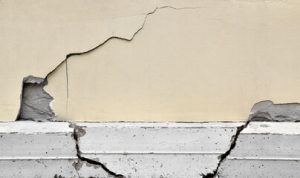
Concrete cracks often begin as minor cosmetic flaws but can quickly escalate if left untreated. Early detection and prompt repair can extend the life of concrete surfaces, protect property value, and enhance safety. Understanding the types of cracks and their causes is the first step toward effective maintenance.
Why Concrete Cracks Occur
Concrete cracking is not always a sign of poor workmanship. In fact, some degree of cracking is normal due to shrinkage during the curing process. As concrete dries and hardens, it loses moisture and contracts slightly, which can result in hairline cracks. While these are typically harmless, other cracks may indicate deeper structural concerns.
Several factors contribute to concrete cracking, including:
- Temperature fluctuations – Expansion in heat and contraction in cold weather create stress within the material.
- Soil movement – Shifting or settling soil beneath the slab can cause uneven support and cracking.
- Excess moisture – Water infiltration can weaken the base and create internal pressure.
- Heavy loads – Continuous vehicle traffic or excessive weight can strain the surface.
Recognizing the root cause of a crack helps determine whether it is purely cosmetic or requires more substantial repair.
Types of Common Concrete Cracks
Identifying the type of crack is crucial before beginning any repair process. Each type signals a different underlying issue and requires a tailored approach.
1. Hairline Cracks
Hairline cracks are thin, shallow fractures that often appear shortly after concrete cures. They are typically caused by shrinkage and rarely affect structural stability. However, if moisture penetrates these cracks, they can expand over time.
While hairline cracks may seem minor, sealing them promptly prevents water infiltration and long-term damage.
2. Shrinkage Cracks
Shrinkage cracks occur when concrete loses moisture too quickly during the curing process. These cracks are usually uniform and may appear in a random pattern across the surface. Proper curing techniques during installation can reduce their occurrence.
Repairing shrinkage cracks involves cleaning the area thoroughly and applying a flexible sealant to prevent expansion.
3. Settlement Cracks
Settlement cracks result from uneven soil movement beneath the concrete slab. When part of the base shifts or erodes, the slab may sink slightly, creating visible fractures. These cracks often appear wider at one end and may indicate structural imbalance.
Addressing settlement cracks typically requires stabilizing the base before sealing the surface. Without correcting the underlying issue, cracks are likely to reappear.
4. Expansion Cracks
Concrete expands and contracts with temperature changes. If expansion joints are insufficient or improperly installed, stress can build up, causing cracks. These fractures may run in straight lines across the slab.
Repairing expansion cracks often involves filling them with flexible joint sealants that accommodate movement without splitting.
5. Structural Cracks
Structural cracks are typically wider than a quarter inch and may run diagonally or horizontally. They can indicate significant stress, foundation issues, or excessive load-bearing strain. These cracks require immediate attention to prevent further deterioration.
Professional evaluation is often necessary for structural cracks, as they may signal deeper stability concerns.
How to Inspect Concrete Surfaces
Regular inspections play a vital role in identifying cracks early. Property owners should examine concrete surfaces at least twice a year and after extreme weather events.
During inspection, look for:
- Visible cracks and measure their width and length.
- Uneven surfaces or sinking areas.
- Water is pooling near cracked sections.
- Discoloration or crumbling edges.
Documenting changes over time helps determine whether cracks are stable or worsening. Early detection allows for timely intervention, minimizing repair costs.
Repairing Hairline and Minor Cracks
Minor cracks can often be repaired using simple methods. Begin by cleaning the crack thoroughly, removing debris, dirt, and loose particles. A wire brush or compressed air can help prepare the surface.
After cleaning, apply a concrete crack filler or epoxy designed for small fractures. These materials bond with the existing concrete, sealing the crack and preventing moisture infiltration. Smooth the surface with a putty knife to ensure even application.
For exterior surfaces such as driveways and sidewalks, consider applying a protective sealant after repairs to shield the concrete from future moisture damage.
Addressing Settlement and Larger Cracks
Larger cracks require more comprehensive solutions. If a settlement is suspected, the underlying soil may need stabilization. Techniques such as slab lifting or base reinforcement can restore proper support and alignment.
The repair process generally involves:
- Injecting polyurethane foam or similar materials beneath the slab to fill voids and raise sunken sections.
- Sealing the crack with high-strength epoxy or polyurethane injection to restore structural integrity.
Addressing both the surface crack and the underlying cause ensures long-term effectiveness.
Preventing Cracks from Worsening
Preventive maintenance is key to extending the lifespan of concrete surfaces. Once cracks are repaired, ongoing care reduces the likelihood of recurrence.
Important preventative measures include:
- Maintaining proper drainage to prevent water accumulation near concrete slabs.
- Avoiding excessive weight loads beyond the surface’s intended capacity.
- Applying sealants periodically to protect against moisture and chemical damage.
By controlling environmental factors and managing stress on the surface, homeowners can significantly reduce cracking risks.
The Role of Proper Drainage
Poor drainage is one of the leading contributors to concrete damage. Water that pools around slabs can seep into cracks, weaken the base, and accelerate deterioration. Over time, freeze-thaw cycles may further widen fractures.
Ensuring that gutters and downspouts direct water away from concrete surfaces is essential. Grading the surrounding soil to promote runoff prevents water from settling near foundations, patios, or driveways.
Effective drainage management not only protects against cracking but also enhances the overall durability of the structure.
When to Seek Professional Help
While minor cracks can often be handled with basic tools and materials, some situations require professional expertise. Seek professional assistance if:
- Cracks are wider than a quarter inch.
- Multiple cracks appear suddenly or continue to grow.
- The slab is uneven or significantly sunken.
- Doors or windows near concrete foundations begin to stick.
Professionals can conduct thorough assessments, identify underlying causes, and implement durable repair solutions that prevent recurring problems.
Enhancing Property Value Through Timely Repairs
Concrete surfaces contribute significantly to curb appeal and property value. Cracked driveways, patios, or walkways create an impression of neglect and may raise concerns among potential buyers. Addressing cracks promptly maintains a clean, well-maintained appearance.
Well-maintained concrete surfaces reflect responsible ownership. Regular inspections and timely repairs demonstrate attention to structural integrity, which can positively influence resale value and buyer confidence.
Long-Term Maintenance Strategy
Developing a long-term maintenance plan ensures that concrete surfaces remain durable for years to come. Schedule regular cleaning, inspect for new cracks, and reapply sealants as recommended. Keeping records of repairs and maintenance activities helps track the condition of the surface over time.
Concrete is designed to be resilient, but it performs best when properly cared for. By adopting a proactive approach, property owners can avoid major repairs and extend the lifespan of their investment.
Acting Early Makes the Difference
Concrete cracks may start small, but they rarely remain that way if neglected. Identifying the type of crack and understanding its cause allows for targeted, effective repairs. From hairline fractures to structural concerns, addressing issues early prevents further damage and protects both safety and property value.
Regular inspections, proper drainage, and timely repairs form the foundation of effective concrete maintenance. Whether managing a driveway, patio, or foundation slab, taking proactive steps today ensures long-lasting durability and performance.
By learning how to identify and repair common concrete cracks before they worsen, property owners can maintain strong, attractive, and reliable surfaces for years to come.