Winter brings cozy nights, festive holidays, and, for many homeowners, the ever-present threat of frozen pipes. Cold temperatures can wreak havoc on plumbing systems, leading to costly repairs, water damage, and a major disruption to daily life. Protecting your pipes during the winter months is not just a matter of convenience—it is essential for maintaining the integrity of your home’s plumbing system. Understanding the risks, implementing preventative measures, and knowing what steps to take if problems arise can save thousands in repair costs and ensure a smooth, worry-free winter.
The good news is that preventing frozen or burst pipes doesn’t have to be complicated. With the right planning and attention to detail, homeowners can safeguard their plumbing systems throughout the cold season. From insulation to proper water flow, small adjustments make a big difference. The following guide provides comprehensive winter plumbing tips to keep your pipes safe, protect your home, and maintain reliable water access even in the coldest months. Let Plumbers Arvada CO provide the expert help you need.
Understanding Why Pipes Freeze
To protect your plumbing effectively, it’s important to understand why pipes freeze in the first place. Water expands as it freezes, which increases pressure inside the pipe. If the pressure becomes too great, the pipe can burst, leading to leaks or extensive flooding. Pipes in unheated areas such as basements, attics, garages, and crawl spaces are particularly vulnerable.
In addition, poorly insulated pipes, exterior walls, and outdoor plumbing fixtures are common sites for freezing. Homes in regions with extreme cold are at higher risk, but even moderate winter temperatures can lead to frozen pipes if precautions are not taken. Recognizing these vulnerabilities allows homeowners to prioritize preventative measures and minimize risk.
Insulate Pipes and Exposed Areas
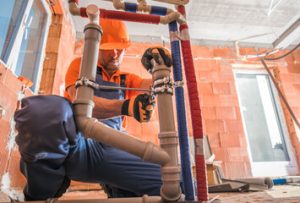
Insulation is one of the most effective ways to prevent pipes from freezing. Wrapping vulnerable pipes with foam insulation sleeves or heat tape helps maintain a stable temperature and reduces the risk of freezing. Insulating pipes in basements, attics, garages, and crawl spaces is particularly important, as these areas are often exposed to colder temperatures.
In addition to pipe insulation, consider improving overall home insulation in unheated spaces. Sealing gaps around windows, doors, and vents can help maintain a warmer environment and protect plumbing from extreme temperature fluctuations. Proper insulation is a simple and cost-effective step that significantly reduces the likelihood of frozen pipes.
Tips for Effective Pipe Insulation:
- Use foam sleeves or fiberglass wraps to cover all vulnerable pipes, paying attention to joints and bends.
- Install heat tape on pipes in areas prone to extreme cold, ensuring it is UL-approved and used according to manufacturer instructions.
- Seal drafts around windows, doors, and exterior walls to maintain a warmer temperature around plumbing lines.
Taking the time to insulate pipes in vulnerable areas is an investment that pays off by preventing costly winter plumbing emergencies.
Maintain a Consistent Indoor Temperature
Keeping your home at a consistent temperature is another key step in protecting pipes. Even a short drop in indoor temperature can increase the risk of freezing. Maintaining a minimum temperature of 55°F (approximately 13°C) in unoccupied rooms or during extended absences helps ensure that water in pipes does not freeze.
During particularly cold nights, leaving interior doors open can improve heat circulation around plumbing lines. Additionally, opening cabinet doors under sinks exposes pipes to warmer indoor air, reducing the likelihood of freezing. These small adjustments are often overlooked but are highly effective in winter plumbing protection.
Let Faucets Drip
Allowing faucets to drip slightly during extremely cold weather is a tried-and-true method for preventing frozen pipes. Running water, even at a slow trickle, helps relieve pressure in the pipes and keeps water moving. This is particularly effective for faucets connected to pipes running along exterior walls or in unheated spaces.
By keeping water moving, homeowners reduce the chances of ice formation and minimize the potential for burst pipes. While it may slightly increase the water bill, the cost is negligible compared to the expense and disruption of repairing burst pipes.
Disconnect and Drain Outdoor Fixtures
Outdoor faucets, hoses, and irrigation systems are highly susceptible to freezing during winter. Disconnect hoses, drain remaining water, and shut off valves to prevent ice from forming in outdoor plumbing lines. For faucets that cannot be disconnected, insulated faucet covers offer protection against freezing temperatures.
Additionally, consider draining and winterizing sprinkler systems and irrigation lines to prevent damage. These preventative steps may take extra effort but save homeowners from costly repairs and replacement parts in the spring.
Seal and Protect Crawl Spaces and Attics
Crawl spaces and attics often contain pipes that are highly vulnerable to freezing. Ensuring these areas are properly sealed and insulated is essential. Adding insulation to floors above crawl spaces, sealing gaps around vents, and maintaining adequate ventilation in attics helps regulate temperatures and protect plumbing.
For particularly cold climates, installing a small heat source, such as a low-wattage heater or heat cable, can provide additional protection for exposed pipes. Professional plumbers often recommend this approach for homes with older plumbing systems or pipes that are difficult to access.
Know the Signs of Frozen Pipes
Even with precautions, it’s important to recognize early signs of frozen pipes. Prompt action can prevent pipes from bursting and causing extensive water damage. Some indicators of frozen plumbing include:
- Reduced water flow from faucets or showerheads.
- Unusual noises such as gurgling or banging in the pipes.
- Frost or ice visible on exposed pipes in basements, attics, or crawl spaces.
If you notice any of these signs, act quickly by slowly thawing the pipe with warm air from a hairdryer or space heater. Never use an open flame, as this can damage the pipe and create a fire hazard.
Thawing Frozen Pipes Safely
In the event that a pipe freezes, it’s important to thaw it safely to prevent rupture. Start by turning off the water supply to reduce pressure in the pipe. Then, gradually warm the frozen section using a hairdryer, heat lamp, or portable heater. Begin thawing at the faucet end and work toward the frozen section to encourage water flow.
Professional plumbers emphasize the importance of patience and safety during this process. Rapid temperature changes or the use of excessive heat can damage pipes, leading to leaks or bursts. In some cases, frozen pipes may require professional intervention, especially if the freezing occurs in inaccessible areas.
Preventative Plumbing Maintenance
Regular plumbing maintenance is crucial for winter preparedness. Inspect pipes for signs of wear, corrosion, or leaks before the cold season begins. Replace old or damaged pipes, tighten loose fittings, and check valves to ensure they are functioning correctly.
Winter plumbing maintenance may also include flushing water heaters, cleaning drains, and testing sump pumps to confirm they are operational. Preventative maintenance reduces the risk of emergencies during the cold months and helps maintain an efficient and safe plumbing system.
Winter Plumbing Safety Tips
In addition to preventing frozen pipes, winter introduces other plumbing safety considerations. Avoid using antifreeze in drinking water lines, as it is toxic and not suitable for household plumbing. Similarly, be cautious with electrical devices near water, particularly when thawing pipes or using heat sources.
Other general safety tips include:
- Monitor water pressure during extreme cold; unusual drops may indicate frozen sections.
- Educate household members about proper faucet usage and emergency shut-off procedures.
- Have a contingency plan in case of major leaks or pipe bursts, including access to a licensed plumber and emergency water shut-off instructions.
These practices ensure not only the safety of your plumbing system but also the safety of everyone in your home.
Investing in Modern Winter Plumbing Solutions
Homeowners seeking additional protection can consider modern winter plumbing solutions. Smart leak detection systems, temperature monitoring sensors, and remote shut-off valves allow for early detection of problems and immediate intervention. These technologies reduce the risk of water damage and provide added peace of mind, especially during extended absences or extreme weather events.
Combining traditional precautions—such as insulation, dripping faucets, and maintenance—with smart technologies offers comprehensive winter protection. Modern solutions provide real-time alerts, remote management, and automated responses to freezing conditions, making winter plumbing significantly safer and more efficient.
Winter plumbing protection requires a combination of preventative measures, awareness, and proactive maintenance. By insulating pipes, maintaining indoor temperatures, letting faucets drip, disconnecting outdoor fixtures, and monitoring vulnerable areas, homeowners can significantly reduce the risk of frozen or burst pipes. Regular inspection and maintenance, combined with modern technology like leak detection and smart water monitoring, create a comprehensive defense against winter plumbing issues.
A frozen or burst pipe can cause extensive damage, disrupt daily routines, and result in costly repairs. Taking the time to prepare your plumbing system before winter arrives ensures safety, efficiency, and peace of mind. With careful planning and adherence to expert guidelines, homeowners can enjoy a worry-free winter season, knowing their plumbing is protected against the cold.
Investing in winter plumbing preparedness is not only practical but also essential for long-term home maintenance. By understanding the risks, implementing preventative strategies, and staying vigilant throughout the cold season, you can protect your home, reduce repair costs, and ensure that your plumbing system operates smoothly no matter how low the temperatures drop.